Levelset: Complete Guide to Construction Payment & Compliance Management
 clairhogan398@gmail.com
What Is Levelset?
Levelset is a construction-focused software platform designed to help contractors, subcontractors, and suppliers manage payment processes and compliance documentation. The platform provides digital tools for tracking project payments, organizing notices, and maintaining structured documentation workflows.
Levelset is commonly used within the construction industry to help improve payment visibility and reduce administrative friction.
How Levelset Works

4
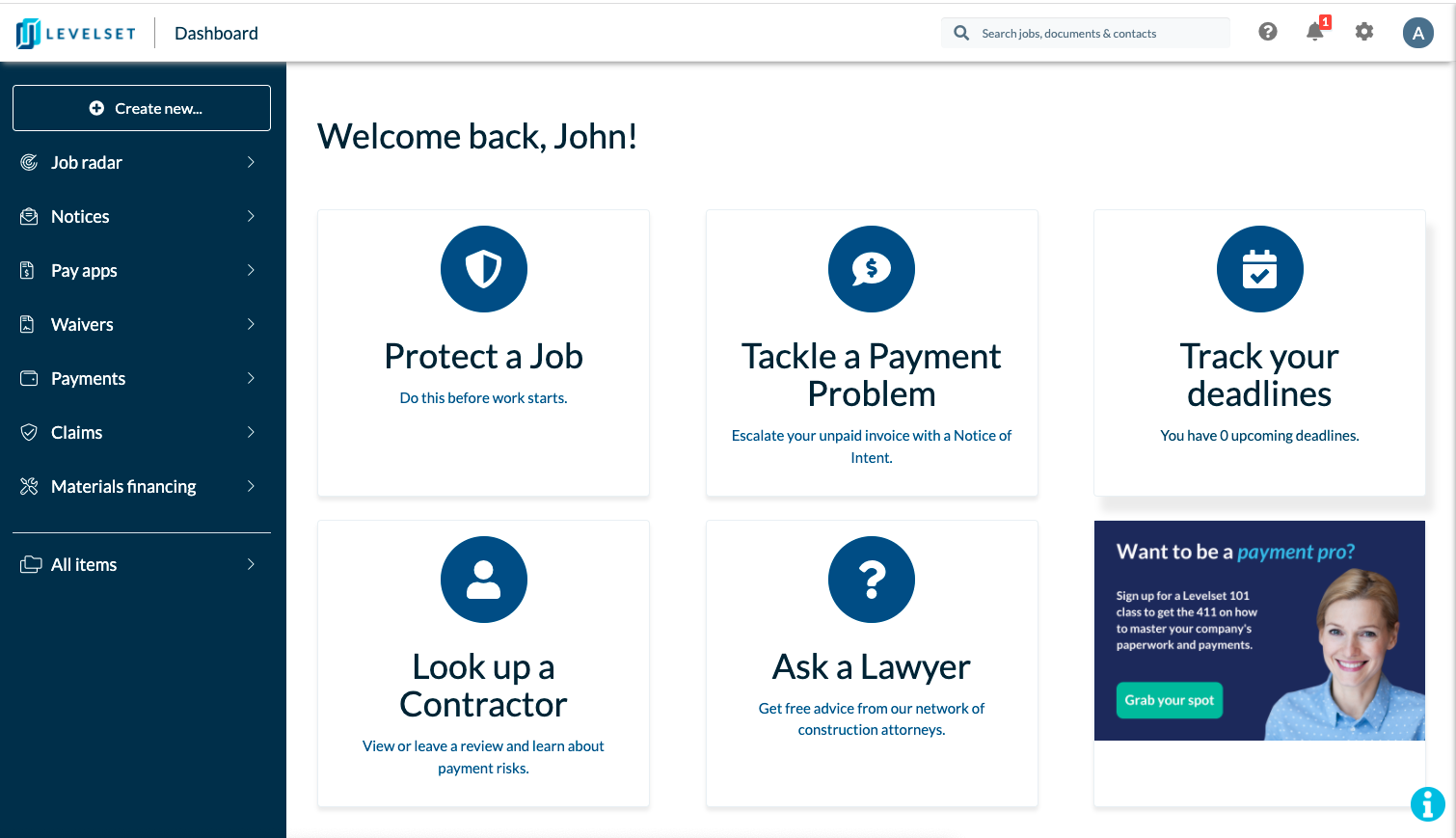
The Levelset platform typically operates through a web-based dashboard where users can:
- Add Construction Projects
Track active projects and associated stakeholders. - Manage Payment Documentation
Organize notices and documentation required for payment protection. - Monitor Deadlines
Stay aware of project timelines and compliance requirements. - Generate Reports
Produce documentation summaries and payment tracking reports.
The interface is structured to simplify complex construction payment workflows.
Core Features of Levelset
1. Payment Tracking
Levelset allows construction professionals to:
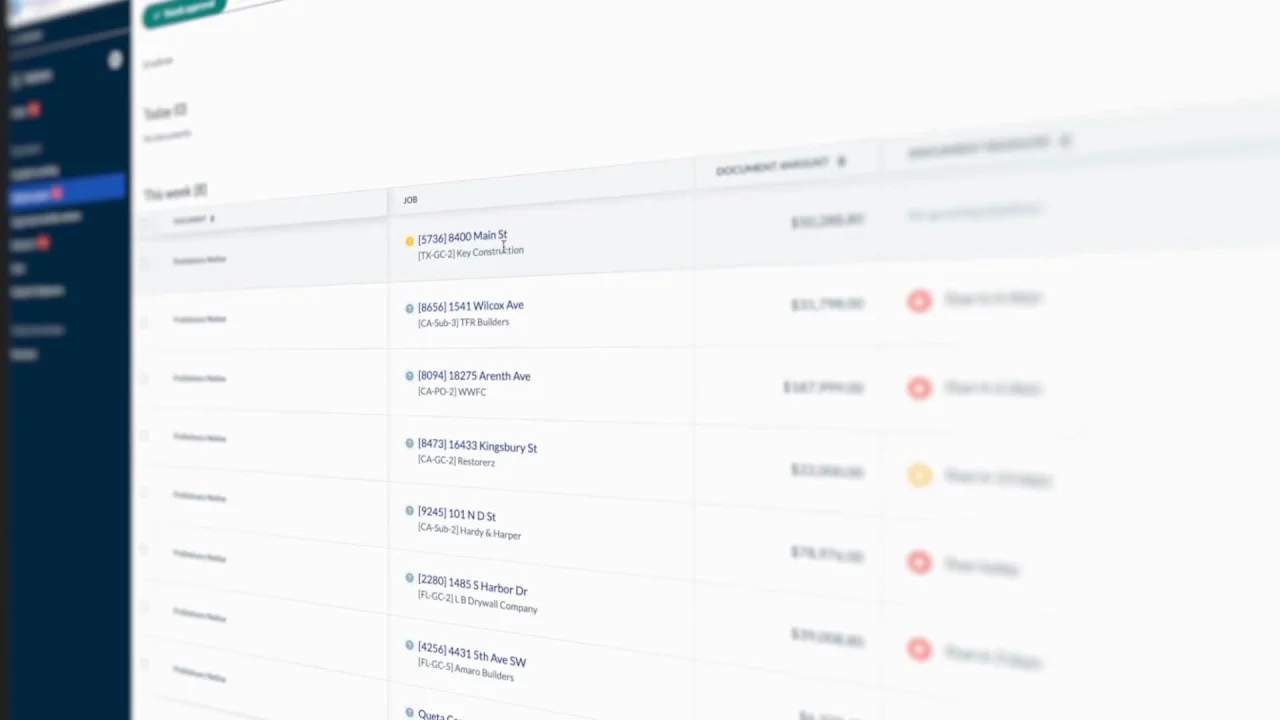
- Track project payment status
- Monitor outstanding invoices
- Maintain centralized payment records
This visibility can help improve cash flow management.
2. Notice Management Tools
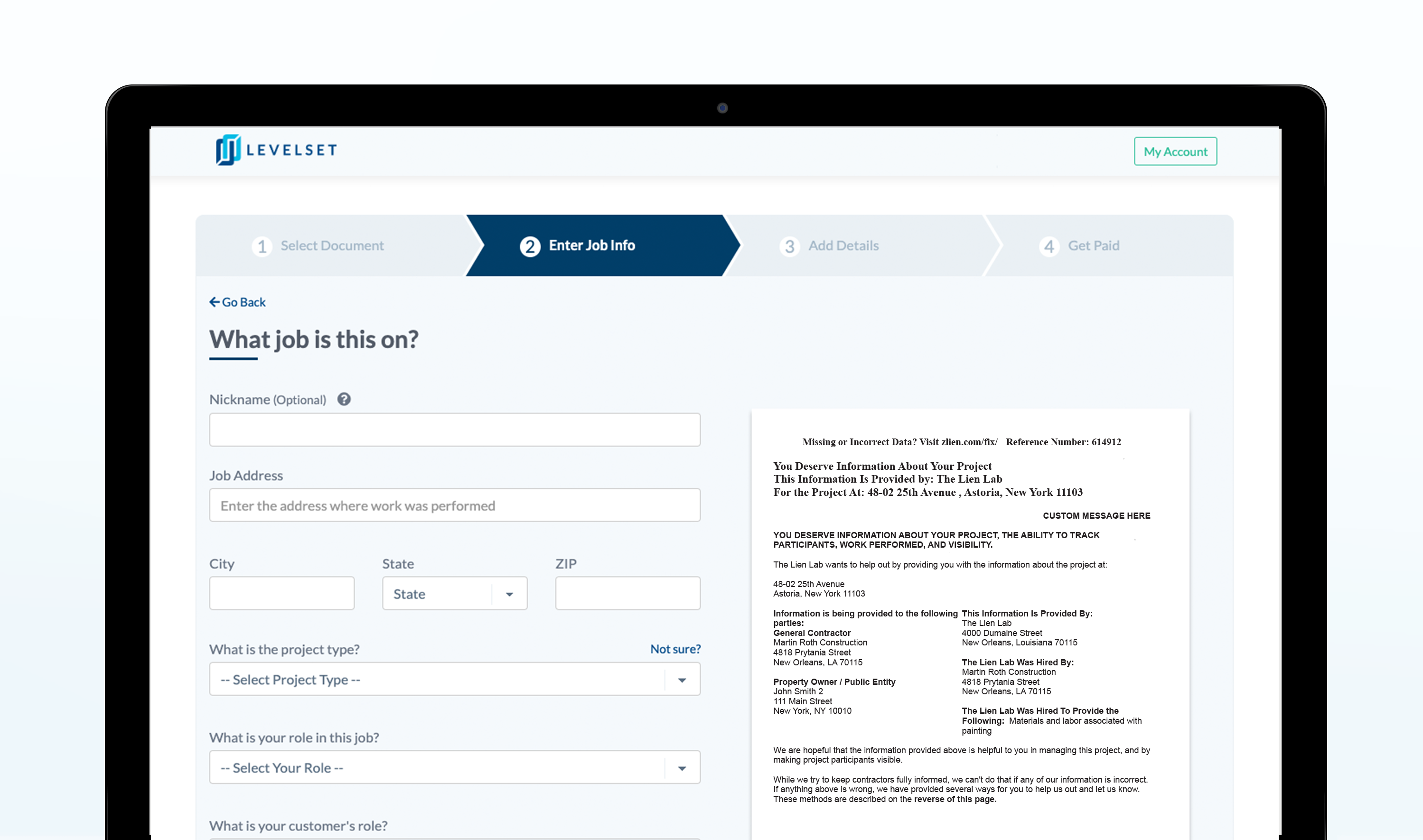
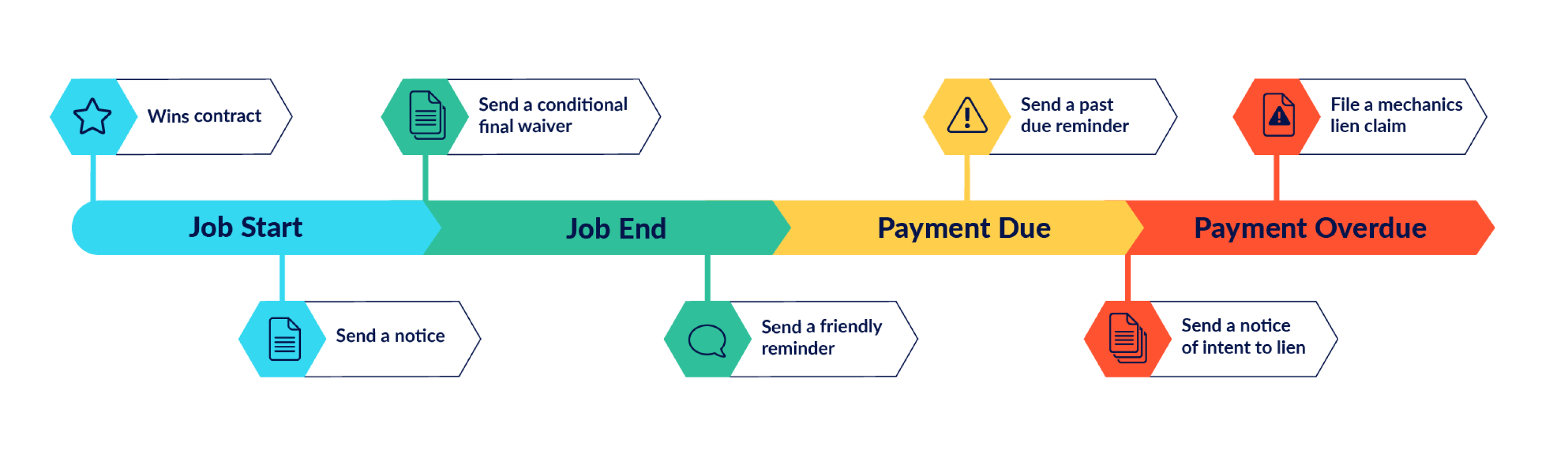
The platform supports structured management of preliminary notices and related documentation. Proper notice handling can be critical in construction projects where payment rights are tied to procedural requirements.
3. Lien Documentation Support
4
Levelset includes tools that assist with:
- Lien waiver documentation
- Deadline tracking
- Organized compliance records
Users remain responsible for understanding applicable laws and regulations, but the system helps structure documentation workflows.
4. Reporting & Insights
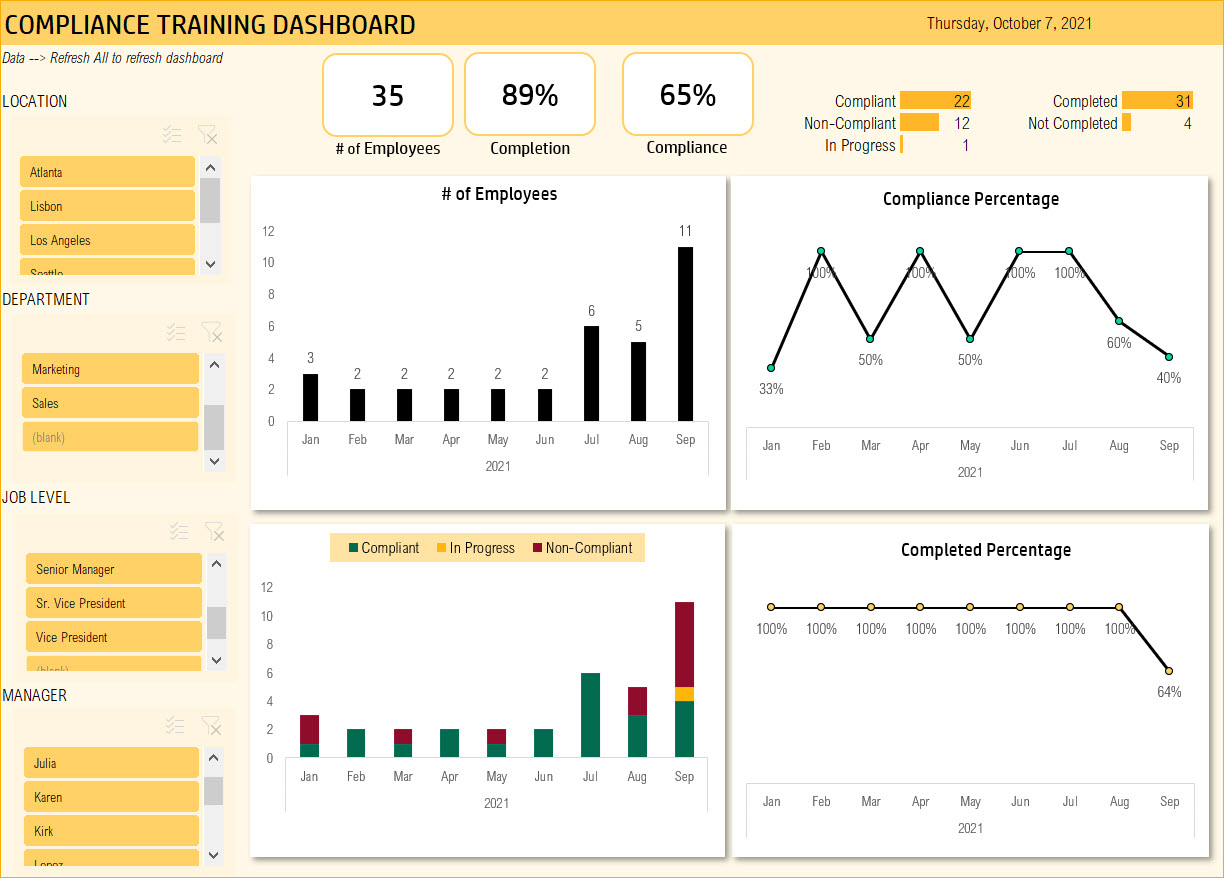
Businesses can generate reports related to:
- Payment timelines
- Project documentation
- Stakeholder communication records
These reports may support internal oversight and financial planning.
Who Uses Levelset?
Levelset is frequently used by:
- General contractors
- Subcontractors
- Construction suppliers
- Project managers
- Construction accounting teams
The platform is tailored to the needs of construction industry payment processes.
Benefits of Using Levelset
Construction businesses may consider Levelset for:
- Centralized documentation management
- Improved payment visibility
- Structured compliance tracking
- Reduced administrative complexity
- Organized project records
These features can contribute to smoother project coordination.
Security & Data Considerations
Levelset operates as a cloud-based platform with structured user access controls. Businesses should implement internal policies such as:
- Role-based permissions
- Secure credential management
- Regular documentation review
Sensitive project and financial information should be handled responsibly.
Implementation Considerations
Before adopting Levelset, businesses should evaluate:
- Number of active projects
- Compliance complexity
- Internal documentation workflows
- Integration needs with accounting systems
- Budget and scalability goals
A structured onboarding process may help ensure smooth adoption.
Frequently Asked Questions
Is Levelset a cloud-based platform?
Yes, it operates through an online interface accessible via web browser.
Does Levelset replace legal advice?
No. While it assists with documentation management, users should consult qualified professionals for legal guidance.
Is Levelset designed specifically for construction?
Yes, the platform is built to support construction payment and compliance workflows.
Final Thoughts
Levelset is a construction-focused payment and documentation management platform designed to help contractors and suppliers maintain organized workflows. By centralizing project records and tracking payment-related documentation, the system aims to simplify administrative processes in complex construction environments.
Businesses evaluating construction payment software may consider Levelset alongside other industry-specific platforms to determine the best fit for their operational needs.